CCNA Study Guide 2026: A Realistic Plan from Zero to Certified
A working study plan for the Cisco CCNA exam, written by someone who has passed it — recommended resources, study order, hands-on practice, and the topics that genuinely matter.

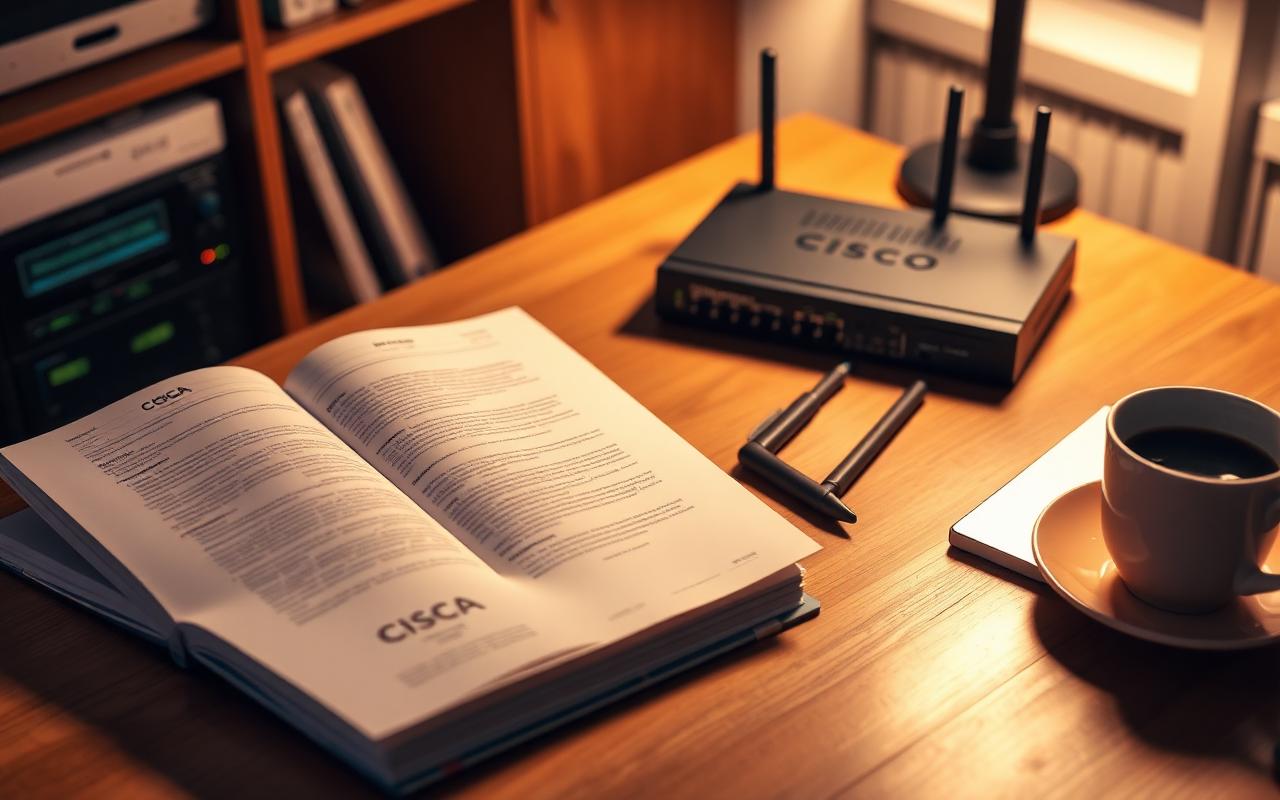
What the CCNA is and is not
The CCNA is Cisco's foundational networking certification. It validates the fundamentals of switching, routing, IP services, security basics, automation, and network programmability. It is not a guarantee of a job, but in most regions it is the single most useful entry-level credential for a networking career. Pass rates are reasonable for prepared candidates; the exam expects familiarity with the CLI and the ability to apply concepts, not just memorize facts.
Recommended resources
Wendell Odom's CCNA Official Cert Guide remains the canonical book. Jeremy IT Lab's free CCNA series on YouTube is excellent and complete. CBT Nuggets, INE, and Boson are paid platforms with strong CCNA tracks. Boson ExSim is the most respected practice exam product. Choose one primary resource and supplement; do not try to consume all of them simultaneously.
Hands-on practice matters more than the books
Cisco Packet Tracer is free and sufficient for almost all CCNA practice. GNS3 or EVE-NG with IOS-XE images give a more realistic experience. Real hardware is unnecessary for the CCNA. Spend at least 40% of your study time configuring labs; reading without configuration produces fragile knowledge that does not survive the exam.
A realistic study plan
Plan for 8–12 weeks of consistent study at 8–12 hours per week. Weeks 1–2: networking fundamentals, IP addressing and subnetting (practice subnetting daily until it is fast). Weeks 3–4: Layer 2 — VLANs, trunking, Spanning Tree. Weeks 5–6: Layer 3 — static routing, OSPF. Weeks 7–8: IP services — NAT, DHCP, ACLs, QoS basics. Weeks 9–10: security fundamentals, wireless, automation and programmability. Weeks 11–12: review, full practice exams, target weak areas.
Topics that come up disproportionately
Subnetting fluency is non-negotiable — you cannot pass without it. OSPF behaviour (neighbour states, LSAs, DR/BDR election) appears repeatedly. VLAN and trunking configuration shows up in labs. ACL syntax and placement. The format and intent of recent updates (automation, programmability, network controllers) are tested even though many candidates underprepare for them.
Exam day
The exam is a mix of multiple choice, drag-and-drop, and simulation lab questions. The simulation labs cannot be revisited — answer them carefully the first time. Manage time: do not spend more than ten minutes on any one question. The exam pace rewards confidence and forward progress.
Reader questions, answered
Do I need real Cisco hardware?+
No. Packet Tracer is sufficient for the CCNA.
Raza Ahmad is a technology author and IT infrastructure specialist based in Melbourne, Australia. He writes practitioner-grade guides on cloud computing (Azure and AWS), cybersecurity, enterprise networking with Cisco platforms, Linux administration, DevOps, and virtualization. His work focuses on translating complex infrastructure topics into clear, accurate guidance that engineers, system administrators, and IT decision makers can put to work in production environments. Every article published under his byline is fact-checked against current vendor documentation, official standards, and Raza's own hands-on experience operating the technologies he covers.
More from Networking

A Field Guide to BGP Troubleshooting in Modern Enterprise Networks
The diagnostic patterns experienced network engineers use when BGP misbehaves between data centers, clouds, and the internet edge.
CCNA vs CCNP: Which Cisco Certification Should You Pursue?
How to choose between Cisco's associate and professional certifications based on where you are in your career and what you want to do next.
The Complete Cisco Networking Guide for Network Engineers
A structured reference for network engineers working with Cisco IOS, IOS-XE, and NX-OS — covering switching, routing, security, and modern automation.
One email. The technology stories that actually matter for engineers.
A curated digest of the week's most useful tutorials, reviews, and analysis — no clickbait, no AI summaries of someone else's work.
Free. Unsubscribe anytime. See our privacy policy.